
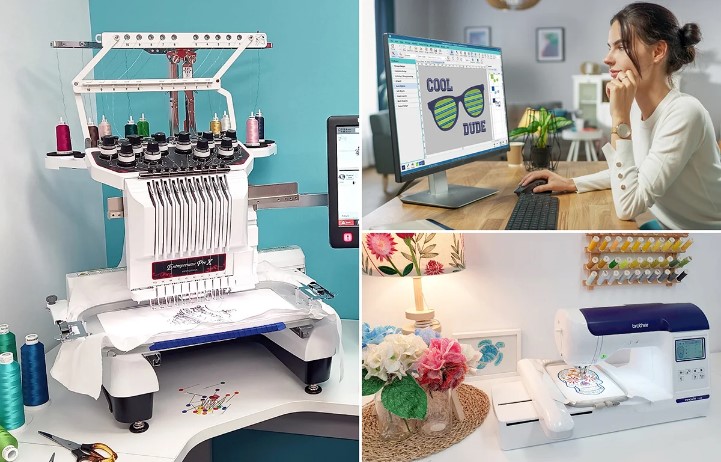
Embroidery is all about precision and detail. If you want your logos to stitch cleanly, the first step is making sure your design is in the right format. Many creators and businesses choose to Convert Logo to PXF File Format when working with Tajima embroidery machines. This conversion ensures your design is machine-ready, with proper stitch paths, density, and color sequence. Without it, even a perfect logo can end up distorted or uneven on fabric.
In this guide, we’ll explain why PXF files are important, how logo conversion works, and tips for getting sharp, professional embroidery every time.
What Is a PXF File Format?
A PXF file is an embroidery file used mainly by Pfaff and Tajima machines. It stores all stitch information needed for accurate embroidery.
Why PXF Files Are Crucial
PXF files tell the machine:
- Where each stitch goes
- The direction of stitches
- How dense the stitches should be
- When to change thread colors
This level of detail is critical for complex logos or designs with small text.
Why You Need to Convert Logos to PXF
Logos often come as JPG, PNG, PDF, or vector files. Machines cannot read these formats directly.
Benefits of Converting Logos
Converting a logo to PXF format:
- Preserves details
- Maintains shape accuracy
- Prevents thread breaks
- Reduces errors during stitching
This is especially important for business branding or professional embroidery work.
How Logo to PXF Conversion Works
Converting a logo is more than changing a file type. It involves digitizing the design for embroidery.
Step 1: Analyze the Logo
First, examine the artwork:
- Check for thin lines
- Identify small text
- Review color areas
- Ensure the image is high-resolution
Clear artwork ensures better stitching results.
Step 2: Digitize the Logo
Digitizing transforms the logo into stitch data. This includes:
- Selecting stitch types for each area
- Setting stitch density
- Planning underlay for smooth fabric handling
- Optimizing stitch direction
Step 3: Export as PXF File
After digitizing, the design is exported as a PXF file. The Tajima machine can now read it, ensuring accurate, clean stitching.
Manual vs Automatic PXF Conversion
Not all converters produce the same results.
Automatic Tools
Auto converters are quick but often fail on:
- Small text
- Fine lines
- Detailed logos
Manual Digitizing
Manual conversion is more precise:
- Smooth stitch flow
- Clean edges
- Fabric-friendly designs
For logos and intricate designs, manual conversion is the best choice.
PXF Conversion for Detailed Logos
Logos often have tiny details that need careful attention.
Common Logo Challenges
- Thin text
- Sharp edges
- Multi-color areas
Without proper conversion, these elements may become distorted or unreadable.
How PXF Conversion Helps
PXF files ensure:
- Crisp lines
- Clear text
- Accurate color placement
- Balanced stitch density
This produces a polished, professional look for every logo.
Mistakes to Avoid During Conversion
Being aware of common mistakes can save time and materials.
Ignoring Fabric Type
Different fabrics require adjustments in stitch density and underlay.
Overcrowding Stitches
Too many stitches in a small area can damage the fabric and thread.
Skipping Test Stitches
Always test stitch before full production to catch errors early.
Preparing Your Logo for Conversion
The better the artwork, the better the stitch results.
Best File Types
- Vector files (AI, EPS)
- High-resolution JPG or PNG
- Clear PDFs
Design Details to Include
- Final size of the embroidery
- Fabric type
- Placement (shirt, cap, jacket, etc.)
Providing this information ensures a clean and precise PXF file.
Benefits of Professional Logo to PXF Conversion
Investing in proper conversion offers multiple advantages.
Saves Time
You avoid troubleshooting errors or redoing designs.
Reduces Machine Issues
Proper files prevent thread breaks and machine tension problems.
Consistent Results
Every stitch-out matches the original design, building reliability and professionalism.
Turnaround and Revision Options
Fast delivery and revision support are important, especially for businesses.
Quick Delivery
Most professional services provide files within 24–48 hours.
Easy Revisions
Minor edits are usually free or low-cost, ensuring the final PXF file meets your needs.
Long-Term Value of Accurate PXF Files
Quality conversion saves time, money, and stress over time.
Less Material Waste
Fewer errors mean less wasted thread and fabric.
Consistent Stitch Quality
Your embroidery always looks professional, enhancing brand reputation.
Better Customer Satisfaction
Clean, accurate embroidery creates trust and satisfaction for clients.
Final Thoughts
Converting your logo to PXF format is an essential step for clean and professional embroidery on Tajima machines. Proper Convert Logo to PXF File Format ensures accurate stitch paths, sharp details, and vibrant results for every project.
For businesses and creators looking for reliable, precise, and machine-ready logo files, Digitizing Buddy offers expert PXF file conversion that guarantees high-quality embroidery with smooth stitching every time.
Table of Contents