
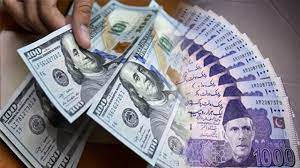
Dollar to PKR
The dollar to pkr exchange rate plays a crucial role in Pakistan’s economy and affects daily life in many visible and invisible ways. Whether someone is involved in international trade, overseas employment, education abroad, or even local business planning, the value of the US dollar against the Pakistani rupee has wide-reaching consequences. This exchange rate is more than just a number displayed at banks or currency exchange counters; it reflects economic stability, investor confidence, and the overall financial direction of the country.
What Dollar to PKR Exchange Rate Means
The dollar to pkr rate represents how many Pakistani rupees are required to buy one US dollar. When the rupee weakens, more rupees are needed to purchase a single dollar, and when the rupee strengthens, fewer rupees are required. This movement may appear simple, but it is influenced by a complex interaction of local and global economic forces. For Pakistan, where imports, foreign debt, and remittances are closely tied to the US dollar, changes in this rate can have immediate economic effects.
Historical Perspective of Dollar to PKR Trends
Over the years, the dollar to pkr trend has experienced significant fluctuations. In earlier decades, the Pakistani rupee maintained relatively stable value, but gradual depreciation became noticeable due to economic pressures and global financial shifts. Factors such as trade imbalances, rising imports, and increasing reliance on foreign loans contributed to long-term changes. Understanding the historical context helps explain why the exchange rate behaves the way it does today and why stability remains a major economic goal.
Economic Factors Influencing Dollar to PKR
Several economic elements directly influence the dollar to pkr exchange rate. Inflation is one of the most significant contributors, as higher inflation reduces the purchasing power of the rupee. When domestic prices rise faster than those in the United States, the rupee tends to weaken. Additionally, interest rates set by the central bank can impact foreign investment flows, which in turn affect currency demand. A strong export sector can support the rupee, while excessive imports often place downward pressure on it.
Role of Imports and Exports in Exchange Rate Movement
Pakistan’s trade balance has a strong connection with the dollar to pkr rate. Since many essential goods such as fuel, machinery, and raw materials are imported and paid for in dollars, a higher demand for foreign currency can weaken the rupee. On the other hand, exports generate foreign exchange earnings, which can help stabilize the currency. When exports grow steadily, the supply of dollars increases, offering some relief to the exchange rate.
Impact of Remittances on Dollar to PKR
Remittances sent by overseas Pakistanis play a vital role in supporting the dollar to pkr balance. These inflows provide a steady source of foreign currency and help meet import payments and external obligations. When remittance inflows are strong, they can ease pressure on the rupee and improve foreign exchange reserves. Conversely, any decline in remittances may contribute to volatility in the exchange rate, making this factor especially important for economic stability.
Government Policies and Their Influence
Government fiscal and monetary policies significantly affect the USD dollar to pkr today rate in Pakistan. Budget deficits, public debt, and taxation policies all shape investor confidence and market sentiment. When economic reforms are implemented effectively, they can strengthen confidence in the rupee. Conversely, political uncertainty or inconsistent policies may lead to capital outflows, increasing demand for dollars and weakening the local currency. Transparent governance and long-term planning are therefore essential for exchange rate stability.
Dollar to PKR and Inflation in Pakistan
The relationship between the dollar to pkr rate and inflation is closely interconnected. A weaker rupee increases the cost of imported goods, which can push domestic prices higher. Fuel prices, in particular, are sensitive to exchange rate changes, and their rise often leads to increased transportation and production costs. This chain reaction affects everyday consumer goods and services, making exchange rate stability an important factor in controlling inflation and protecting purchasing power.
Effect on Businesses and Trade
For businesses in Pakistan, fluctuations in the dollar to pkr rate can significantly impact profitability and planning. Import-dependent industries face higher costs when the rupee depreciates, while exporters may benefit from increased competitiveness in international markets. However, excessive volatility creates uncertainty, making it difficult for businesses to forecast expenses and revenues. Stable exchange rate conditions are therefore essential for long-term investment and sustainable economic growth.
Dollar to PKR and Foreign Investment
Foreign investors closely monitor the dollar to pkr exchange rate before making investment decisions. A stable and predictable currency environment encourages long-term investment, while sharp fluctuations may deter investors. Exchange rate stability signals sound economic management and reduces the risk associated with repatriating profits. For Pakistan, attracting foreign direct investment depends heavily on maintaining investor confidence in the currency and overall economic framework.
Impact on Students and Overseas Education
Students planning to study abroad are directly affected by changes in the dollar to pkr rate. Tuition fees, accommodation costs, and living expenses are often paid in foreign currency, making education more expensive when the rupee weakens. Families must carefully plan finances and consider exchange rate trends when budgeting for international education. Even small changes in the exchange rate can significantly impact long-term educational expenses.
Influence on Everyday Life
The dollar to pkr exchange rate affects everyday life in ways many people may not immediately recognize. From fuel prices to electronic goods and household items, exchange rate movements influence the cost of living. A weaker rupee often leads to price increases, affecting household budgets. Understanding how currency values impact daily expenses helps individuals make informed financial decisions and manage their resources more effectively.
Digital Platforms and Exchange Rate Awareness
In today’s digital age, information about the dollar to pkr rate is readily available through online platforms, banking apps, and financial news portals. Easy access to real-time data has increased public awareness of currency movements. This transparency allows individuals and businesses to track trends and plan transactions accordingly. However, it also highlights the importance of relying on credible sources rather than speculation or rumors.
Future Outlook of Dollar to PKR
The future of the dollar to pkr exchange rate depends on a combination of domestic reforms and global economic conditions. Strengthening exports, improving fiscal discipline, and encouraging investment are key steps toward long-term stability. While short-term fluctuations are inevitable, consistent economic policies and structural improvements can help reduce volatility. A balanced approach that promotes growth while maintaining financial discipline offers the best path forward.
Conclusion: Why Dollar to PKR Matters
The dollar to pkr exchange rate is a critical indicator of Pakistan’s economic health and financial direction. Its impact extends beyond markets and institutions, influencing businesses, households, students, and investors alike. By understanding the factors that drive this exchange rate, individuals and organizations can make better financial decisions. Stability in the exchange rate is not just a technical goal but a foundation for sustainable economic development and improved quality of life in Pakistan.
Table of Contents