
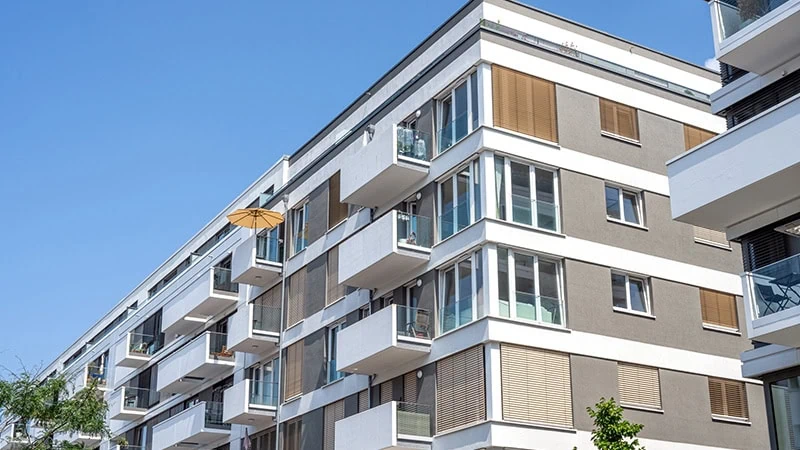
Multifamily construction services influence the future of site that connect rapidly developing cities, old warehouses, and new offices. Regional leaders view it as housing relief, developers as long-term value, and future occupants as an opportunity for a fully functional community.
Project outcomes depend not only on design and financing, but also on the effectiveness of planning and execution throughout multifamily construction services.
This guide will explain what such services entail, why multifamily projects are considered commercial construction, and how planning, compliance, and delivery approaches predetermine successful high-density developments.
Multifamily Construction Services in Commercial Development
Multifamily construction services are required to plan, organize, and carry out multifamily development on a large scale. Such services go far beyond building construction in terms of commerce.
They include managing complex structures, a variety of trades, regulatory requirements, and long-term performance considerations, as with other large-scale commercial projects.
Scope of Multifamily Construction Services
In a commercial setting, multifamily construction services include preconstruction planning, design coordination, construction implementation, systems integration, inspections, and project closeout.
All the stages involve coordination of architects, engineers, contractors, and local authorities.
How Multifamily Construction Differs from Residential Building
Multifamily buildings are based on highly developed structural systems, vertical utilities, fire protection, and shared mechanical systems. Load paths, foundations, and framing must support the uninterrupted use of hundreds of occupants.
Why Multifamily Construction Is Considered a Commercial Construction Discipline
While multifamily buildings accommodate tenants, their construction process reflects a level of complexity comparable to other commercial construction projects.
Structural and Infrastructure Demands of Multifamily Projects
Multifamily buildings rely on advanced structural systems, vertical utilities, fire protection, and shared mechanical systems. Foundations, framing, and load paths must support continuous use by hundreds of occupants, while accommodating complex engineering requirements and long-term performance considerations unique to high-density developments.
Life-Safety, Accessibility, and Code Compliance Requirements
Design and construction decisions are significantly influenced by fire-rated assemblies, accessibility requirements, and building codes. These requirements are inherent to multifamily construction services and need to be addressed.
Typical Multifamily Construction Projects
Multifamily construction services are applicable in various types of projects, with each having its own challenges.
Low-Rise and Mid-Rise Multifamily Buildings
Such developments usually focus on efficiency and compatibility with the neighborhoods, and yet still require commercial-grade coordination.
High-Density Urban Apartment Developments
Multifamily developments in urban areas are subject to zoning constraints, limited access to the site, and tight schedules, so logistics and planning can play a significant role.
Introduction to Multifamily Construction Project Delivery Methods
The type of project delivery significantly contributes to cost management, risk distribution, and timelines.
Multifamily Construction Design-Build Delivery
Design-build integrates design and construction into a single contract, which can enhance coordination and minimize delays on multifamily projects with complicated designs.
Multifamily Construction Management at Risk
This approach enables engagement of the contractor at an early stage, enhancing cost transparency and constructability and spreading the risk with the owner.
Multifamily Development Design-Bid-Build
Design bid-build separates the design and construction phases, which can be suitable for cost-sensitive projects, but provides less flexibility for complex developments.
Real-World Examples of Multifamily Construction Services in Action
Urban Multifamily Development with Zoning Constraints
A mid-rise apartment project in a dense downtown area faced strict zoning limits and minimal staging space. Through early planning and phased construction, the team met regulatory requirements while maintaining schedule control.
Cost-Optimized Mixed-Use Multifamily Project
A mixed-use multifamily development required value engineering to stay within budget. Strategic material selection and sequencing adjustments reduced costs without sacrificing performance or compliance.
Key Cost Drivers in Multifamily Construction Projects
Understanding cost drivers is essential for informed decision-making.
Labor Availability and Trade Sequencing
Delays may be caused by labor shortages and poor trade sequencing. Planned scheduling can be used to maintain productivity.
Material Logistics and Supply Chain Planning
The delivery of materials, storage limitations, and vertical transportation have a big impact on efficiency and cost.
Permitting, Inspections, and Regulatory Costs
Local permitting processes and inspection schedules influence both timelines and budgets.
Multifamily Construction Compared to Other Commercial Building Types
| Factor | Multifamily Construction | Office Buildings | Industrial Facilities |
| Code Complexity | Very high | Moderate | Low |
| Trade Coordination | Extensive | High | Medium |
| Occupant Density | Very high | Medium | Low |
| Lifecycle Planning | Critical | Important | Moderate |
| Regulatory Oversight | Extensive | Moderate | Limited |
Technology and Compliance in Modern Multifamily Construction Services
Technology is reshaping how multifamily projects are planned and executed.
Building Information Modeling in Multifamily Projects
BIM enhances coordination in terms of clash detection and clear visualization in advance of construction.
Digital Scheduling, Safety, and Quality Systems
Digital tools support real-time scheduling, safety tracking, and quality control across large teams.
Long-Term Compliance and Asset Performance
Technology also supports documentation, maintenance planning, and long-term asset management.
Key Takeaways
- Multifamily construction services operate at a commercial construction scale.
- Delivery method selection directly affects cost, risk, and schedules.
- Regulatory compliance is central to project success.
- Technology enhances coordination and execution.
- Long-term asset value begins during construction planning.
Bottom Line
Multifamily construction can create sustainable communities and long-term value when approached as a commercial practice rather than as small-scale residential work.
The choices made during planning and construction continue to affect performance long after occupancy. This is a reality well understood by experienced firms such as Arrant Construction when managing high-density projects.
Frequently Asked Questions (FAQs)
What do multifamily construction services typically include?
They include planning, design coordination, construction, systems integration, and project closeout for commercially developed multifamily buildings.
How is multifamily construction different from residential construction?
Multifamily projects involve higher density, stricter codes, and more complex systems, aligning them with commercial construction practices.
Which project delivery method works best for multifamily buildings?
The optimal method depends on project goals, but design-build and construction management at risk are commonly used for complex developments.
What are the biggest challenges in multifamily construction projects?
Challenges include regulatory compliance, labor coordination, site constraints, and cost control.
How long does a typical multifamily construction project take?
Timelines vary, but many multifamily projects take 12 to 24 months from construction start to completion.
Table of Contents