
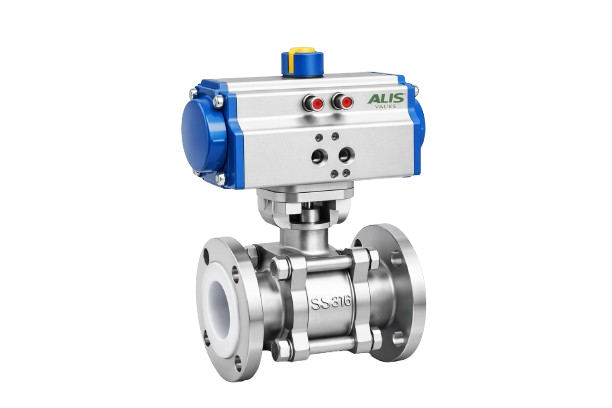
High-pressure pipeline systems demand reliable, leak-proof, and durable flow control solutions. Among various valve types, ANSI Class ball valves are widely preferred for high-pressure pipeline applications due to their robust design, tight shut-off performance, and compliance with international pressure standards. These valves play a critical role in industries such as oil & gas, petrochemicals, power generation, water transmission, and industrial processing.
Understanding ANSI Pressure Classes in Ball Valves
ANSI pressure classes define the pressure–temperature ratings of valves used in pipeline systems. Developed by the ANSI, these classifications ensure that valves can safely operate under specified pressure and temperature conditions. Common ANSI classes for ball valves include Class 150, 300, 600, 900, 1500, and 2500.
Each pressure class corresponds to a maximum allowable working pressure at a given temperature. As pressure class increases, valve body thickness, material strength, and internal components are engineered to withstand extreme operating conditions. This standardization allows engineers and buyers to select the correct valve based on pipeline pressure requirements without compromising safety.
Why Ball Valves Are Ideal for High-Pressure Pipelines
Ball valves are particularly suitable for high-pressure pipeline applications due to their quarter-turn operation and full-bore design. The spherical ball with a precision-machined bore allows smooth flow with minimal pressure drop. When closed, the ball provides a tight seal against the seats, ensuring zero leakage even under high pressure.
Compared to gate or globe valves, ball valves offer faster operation, lower maintenance requirements, and superior sealing performance. Their simple design reduces wear and tear, making them highly reliable for continuous and demanding pipeline operations.
Key Design Features of ANSI Class Ball Valves
ANSI Class ball valves used in high-pressure pipelines are designed with several critical features to ensure long-term performance and safety.
The valve body is typically manufactured from forged or cast carbon steel, stainless steel, or alloy steel, depending on application requirements. Forged bodies are especially preferred for higher pressure classes due to their superior mechanical strength and resistance to fatigue.
High-performance seats made from materials such as PTFE, reinforced PTFE, PEEK, or metal are selected based on pressure, temperature, and media compatibility. Metal-seated ball valves are often used in severe service conditions where soft seats may fail.
Fire-safe construction is another essential feature. High-pressure pipeline ball valves are often designed to meet fire-safe standards, ensuring continued sealing capability even after exposure to fire.
Applications in High-Pressure Pipeline Systems
ANSI Class ball valves are widely used across various high-pressure pipeline applications. In oil and gas transmission pipelines, these valves provide reliable isolation and emergency shut-off capabilities. Their tight sealing ensures safety during high-pressure hydrocarbon transport.
In petrochemical and chemical plants, high-pressure ball valves handle aggressive and hazardous fluids while maintaining process integrity. Power plants rely on ANSI Class ball valves for steam, condensate, and auxiliary pipeline systems operating at elevated pressures and temperatures.
Water transmission and desalination pipelines also use ANSI-rated ball valves, particularly in high-pressure pumping systems where durability and low maintenance are critical.
Advantages of ANSI Class Ball Valves in Pipeline Operations
One of the biggest advantages of ANSI Class ball valves is their excellent shut-off capability. Even under fluctuating pressure conditions, these valves maintain leak-tight performance, reducing the risk of system failure.
Their compact design and quarter-turn operation enable quick opening and closing, which is essential for emergency shutdowns in high-pressure pipelines. This fast response enhances overall system safety.
Another advantage is their long service life. Properly designed ANSI Class ball valves require minimal maintenance, reducing operational downtime and lifecycle costs.
Automation Compatibility for High-Pressure Pipelines
Modern high-pressure pipeline systems increasingly rely on automation for improved efficiency and safety. ANSI Class ball valves are well-suited for automation using electric or pneumatic actuators. Their low operating torque makes them ideal for automated control without requiring oversized actuators.
Automated ball valves enable remote operation, real-time monitoring, and integration with control systems. This is especially valuable in large pipeline networks where manual operation is impractical.
Testing and Quality Requirements
ANSI Class ball valves for high-pressure applications undergo rigorous testing to ensure reliability. Hydrostatic shell tests, seat leakage tests, and pressure tests are conducted according to applicable standards. Material traceability and quality control documentation further ensure that each valve meets specified performance requirements.
Manufacturers focusing on high-pressure pipeline valves emphasize strict inspection processes, dimensional accuracy, and compliance with international testing procedures to meet project specifications
Selecting the Right ANSI Class Ball Valve
Choosing the correct ANSI Class ball valve involves evaluating operating pressure, temperature, fluid type, and pipeline size. Factors such as seat material, end connection type, and actuation requirements must also be considered.
Proper valve selection not only improves pipeline efficiency but also enhances safety and reduces long-term maintenance costs. Working with experienced valve manufacturers ensures that the selected valve meets application-specific demands.
Conclusion
ANSI Class ball valves are an essential component in high-pressure pipeline applications where safety, durability, and performance are non-negotiable. Their standardized pressure ratings, robust construction, and reliable shut-off performance make them a preferred choice across critical industries. By selecting the right ANSI Class ball valve and ensuring proper installation and maintenance, pipeline operators can achieve efficient, safe, and long-lasting flow control solutions.