
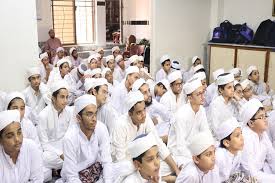
Islamic Schools in Lahore
Lahore, often called the cultural capital of Pakistan, has long been recognized for its rich educational heritage. Alongside modern institutions and universities, the city is home to a vibrant ecosystem of Islamic schools that play a crucial role in shaping the moral, spiritual and intellectual development of young learners. Islamic schools in Lahore are not just centers of religious instruction; they are holistic environments where students nurture character, discipline, ethical conduct, and a deep understanding of Islamic values. Their importance in contemporary society continues to grow as parents seek balanced education that combines academic excellence with spiritual grounding.
Historical Roots of Islamic Schooling in the City
The tradition of Islamic education in Lahore dates back centuries, rooted in the city’s identity as a hub of culture and learning. Historically, education in Islamic sciences was pursued in mosques and maktabs where students memorized the Qur’an and studied fundamental aspects of the religion. Over time, these informal settings evolved into structured institutions, reflecting changing educational needs. By the mid-20th century, families in Lahore began establishing dedicated schools that integrated both religious and modern studies. This transformation helped bridge the gap between traditional Islamic scholarship and the requirements of contemporary education. Today’s Islamic schools are the product of this evolution, offering comprehensive programs that respect tradition while preparing students for a globalized world.
What Defines Islamic Schools in Lahore
Islamic schools in Lahore are characterized by their commitment to Islamic teachings alongside general education. These schools aim to develop individuals who are not only knowledgeable in academic subjects but also deeply rooted in Islamic principles and ethics. A typical day at an Islamic school includes Qur’anic recitation, studies of Hadith (sayings of the Prophet Muhammad), and lessons in Seerah (biography of the Prophet), alongside mathematics, science, literature, and languages. The integration of these two streams of knowledge allows students to pursue worldly success without losing sight of spiritual values. Teachers in these institutions are often selected for their strong command of Islamic studies as well as their ability to deliver a modern curriculum effectively.
The Role of Islamic Values in Student Development
One of the defining features of Islamic schools in Lahore is the emphasis on cultivating character. Students are encouraged to embody virtues such as honesty, patience, respect, humility, and compassion. Discipline is not enforced through strictness alone but through the nurturing of an internal moral compass guided by Islamic teachings. This focus on holistic development distinguishes these schools from strictly academic environments. Parents who send their children to these institutions often cite the importance of raising morally responsible citizens who can navigate both personal and societal challenges with integrity. In addition, the communal aspects of worship and study help foster a sense of belonging and shared purpose among students.
Curriculum Integration: Balancing Religious and Contemporary Subjects
Crafting an effective curriculum that balances religious instruction with modern academic subjects is a central challenge and strength of Islamic schools in Lahore. Rather than treating Islamic studies as an add-on, many schools weave religious principles into everyday learning. For example, lessons on social studies may include discussions on Islamic governance and history, while language classes might explore classical Arabic alongside Urdu and English. Mathematics and science are taught with the same rigor expected from mainstream institutions, ensuring that students are well prepared for higher education and professional paths. This integrated model equips learners with a well-rounded foundation that supports both spiritual growth and intellectual achievement.
Teacher Training and Educational Standards
To fulfill their mission, Islamic schools in Lahore invest significantly in teacher training and educational standards. Educators in these schools are often recruited based on both their academic qualifications and their understanding of Islamic values. Many institutions provide continuous professional development programs to ensure that teachers remain up-to-date with modern pedagogical techniques while staying grounded in Islamic scholarship. The result is an environment where students are encouraged to think critically, ask questions, and engage deeply with both religious and worldly knowledge. Moreover, a commitment to high academic standards has enabled several Islamic schools to achieve noteworthy results in board examinations and competitive assessments.
Community Involvement and Parental Engagement
Islamic schools in Lahore tend to foster strong partnerships with families and communities. Parents are often actively involved in school activities, attending events, participating in discussions about curriculum direction, and supporting student initiatives. This collaborative approach strengthens the social fabric of the school and reinforces the values being taught. Community support also extends beyond academics, with schools organizing outreach programs, charity drives, and interfaith dialogues that encourage students to be active and compassionate members of society. Such engagement helps reinforce the message that education is not confined to textbooks but is a lived experience rooted in social responsibility.
Addressing Contemporary Challenges
Despite their many strengths, Islamic schools in Lahore face challenges in meeting the diverse needs of students in a rapidly changing world. Maintaining high educational standards while preserving core religious principles requires constant adaptation and innovation. Schools must invest in technology, update curriculum content, and provide training for teachers to handle new learning methodologies. Furthermore, there is growing pressure to ensure that students are competitive at national and international levels, especially in fields like science, technology, engineering, and mathematics (STEM). Islamic schools are increasingly responding to these demands by incorporating modern tools, extracurricular activities, and collaborative learning opportunities that prepare students for the demands of the 21st century.
Pathways to Higher Education and Career Success
Graduates from Islamic schools in Lahore often pursue diverse paths in higher education and careers. Many students go on to universities and professional programs in fields such as medicine, engineering, business, and social sciences. At the same time, some choose to further specialize in Islamic sciences, becoming scholars, teachers, or community leaders. The strong moral foundation and disciplined study habits instilled in Islamic school environments equip graduates with skills that transcend academic boundaries. Employers and institutions increasingly recognize the value of individuals who combine intellectual capability with ethical grounding. As a result, alumni from these schools contribute positively to various sectors while embodying the values they learned.
The Cultural Significance of Islamic Schools
Islamic schools in Lahore also serve as custodians of cultural heritage. They preserve and transmit religious traditions, language influences, and moral values that are integral to the identity of many families in the region. By celebrating Islamic festivals, organizing cultural events, and engaging students with the history of Islamic civilization, these schools help reinforce a sense of pride and continuity. In a multicultural and globalized era, this cultural anchoring provides students with a sense of identity that coexists harmoniously with the openness required to engage with diverse perspectives.
Parental Perspectives on Islamic Education
For many families in Lahore, choosing an Islamic school is a deeply personal decision rooted in a desire to provide children with a nurturing environment that aligns with their values. Parents often express appreciation for schools that offer rigorous religious instruction alongside a strong academic foundation. They value teachers who serve not only as educators but as mentors and role models. The supportive and faith-centered atmosphere of Islamic schools gives families confidence that their children are being guided academically, ethically, and spiritually. This peace of mind is a compelling factor that drives many parents to choose these institutions for their children’s education.
Innovations and Future Directions
Looking ahead, Islamic schools in Lahore are exploring new ways to enhance learning experiences while staying true to core values. Technology integration, digital classrooms, and e-learning platforms are becoming part of the educational landscape. Schools are also expanding extracurricular offerings to include sports, arts, leadership programs, and community service projects. This broader approach reflects a commitment to developing well-rounded individuals who excel not only academically but also socially and emotionally. By embracing innovation without compromising on principles, Islamic schools are preparing students to navigate the complexities of modern life while rooted in timeless values.
Building Inclusive and Respectful Learning Spaces
Another important aspect of Islamic education in Lahore is the promotion of inclusivity and mutual respect. Islamic schools encourage students to appreciate diversity, understand different cultures, and develop empathy for others. These values are woven into classroom discussions, community events, and daily interactions. By fostering environments where respect for others is not just taught but practiced, Islamic schools contribute to a more tolerant and cohesive society. This commitment to ethical conduct and intercultural respect reinforces the idea that education extends beyond academic achievement to the cultivation of compassionate and responsible citizens.
Conclusion: The Enduring Impact of Islamic Education
Islamic schools in Lahore represent more than institutions of learning; they are pillars of community life and engines of personal transformation. Through a balanced approach that values both spiritual and intellectual growth, these schools prepare students to meet the challenges of the modern world with confidence and integrity. The emphasis on character development, community engagement, and academic achievement ensures that students emerge as thoughtful, capable, and principled individuals. As Lahore continues to grow and evolve, the role of Islamic schools in shaping future generations remains as vital and meaningful as ever.
Table of Contents