
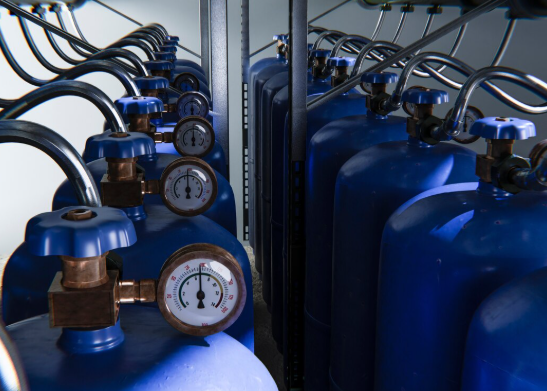
Gas bottles, often referred to as cylinders, are widely used for domestic, commercial, and industrial purposes. From cooking and heating to powering equipment, gas bottles provide a convenient energy source. However, handling and refilling these bottles comes with legal responsibilities to ensure safety and compliance with local regulations. Understanding these rules is crucial for both consumers and businesses alike. This article explores everything you need to know about refill gas bottles, including regulations, safety guidelines, and best practices.
What Are Gas Bottles?
Gas bottles are containers designed to store gases under high pressure. They are commonly filled with liquefied petroleum gas (LPG), propane, butane, or other industrial gases. Their portability and high energy content make them an essential resource in homes, restaurants, workshops, and construction sites.
These bottles come in various sizes, ranging from small 2kg cylinders suitable for camping to large 47kg bottles used in industrial applications. While their size and usage may vary, the principles of safe handling and regulatory compliance remain consistent.
Why Regulations Matter
Gas bottles are inherently hazardous due to the flammable nature of the gases they contain. Mishandling or incorrect refilling can result in explosions, fires, or gas leaks, posing serious risks to life and property. Regulatory bodies enforce strict rules to minimize these dangers. Compliance ensures:
- Safety for users and the public – reducing the risk of accidents and injuries.
- Environmental protection – preventing gas leaks that can contribute to pollution or greenhouse gas emissions.
- Legal protection – avoiding fines, penalties, or legal liability for non-compliance.
Key Regulatory Authorities
Different countries have specific authorities responsible for monitoring and regulating gas cylinder refills. In the UK, for example, the Health and Safety Executive (HSE) provides guidance and enforcement of safety regulations. Businesses handling gas bottles must adhere to these standards, which cover inspection, refilling, storage, and transportation.
Legal Requirements for Refilling Gas Bottles
When refilling gas bottles, compliance with legal requirements is not optional—it is mandatory. Below are the main aspects businesses and consumers need to understand:
1. Certification and Licensing
Refilling gas cylinders requires specialized training and certification. Only licensed personnel or accredited refill stations are legally permitted to refill cylinders. These certifications ensure that the staff are trained in:
- Safe handling of pressurized gas
- Detecting cylinder defects
- Correct refilling procedures
- Emergency response protocols
Consumers should always ensure they refill bottles at authorized stations to guarantee safety and compliance.
2. Cylinder Inspection
Before refilling, gas bottles must undergo a thorough inspection. This step is crucial to prevent accidents caused by faulty or damaged cylinders. Inspections usually include:
- Visual checks for rust, dents, or corrosion
- Valve inspection to ensure proper sealing and operation
- Hydrostatic testing for high-pressure cylinders, verifying structural integrity
Regulations often mandate periodic testing, even for cylinders in active use, to ensure ongoing safety.
3. Correct Gas Type and Labeling
Refilling a cylinder with the wrong gas type can be extremely dangerous. Regulations require refill stations to:
- Use only compatible gas types for each cylinder
- Clearly label bottles with the gas type, weight, and safety information
- Ensure that cylinders are not overfilled, which could cause leaks or ruptures
Proper labeling also assists emergency responders in identifying hazards in the event of an accident.
4. Storage and Transportation
Gas bottles must be stored and transported in compliance with legal standards. Some key points include:
- Cylinders must be stored upright in ventilated areas away from sources of heat or ignition.
- Segregation of full and empty bottles to avoid confusion.
- Secure transportation in vehicles, often requiring chains or cages to prevent movement.
Failure to follow storage and transport regulations can result in severe penalties and increase the risk of accidents.
5. Record Keeping
Businesses that refill gas bottles are typically required to maintain detailed records of:
- Cylinder inspections and maintenance
- Gas types and quantities filled
- Customer transactions
- Safety checks and incident reports
These records not only ensure compliance but also provide valuable data in the case of an investigation or audit.
Safety Guidelines for Consumers
Even though most regulations are targeted at businesses, consumers also play a critical role in safety. Here are some practical tips:
- Always use authorized refill stations – avoid unlicensed providers.
- Inspect bottles before use – look for rust, dents, or leaks.
- Store cylinders safely – keep them upright, in ventilated areas, away from flames.
- Transport securely – use chains or vehicle cages to prevent movement.
- Never tamper with valves or safety devices – these are engineered to prevent accidents.
By following these simple steps, consumers significantly reduce the risk of accidents at home or in the workplace.
Environmental Considerations
Regulations are not only about safety—they also address environmental concerns. Gas leaks contribute to air pollution and increase greenhouse gas emissions. Proper refilling practices help reduce waste and environmental impact. Some key considerations include:
- Avoiding overfilling, which can cause gas venting.
- Recycling empty cylinders where possible.
- Proper disposal of damaged or expired cylinders, following local environmental guidelines.
Businesses increasingly integrate environmental policies into their refilling procedures to align with sustainability goals and regulatory expectations.
Common Misconceptions About Gas Bottle Refills
Despite widespread use, several misconceptions persist regarding gas bottle regulations:
- “All gas bottles can be refilled anywhere” – Only licensed refill stations are legally permitted.
- “Older cylinders are unsafe to refill” – Provided they pass inspection and testing, older bottles can remain compliant.
- “DIY refilling is acceptable” – This is illegal and extremely dangerous. Attempting to refill a cylinder without proper certification can lead to severe penalties and life-threatening accidents.
Understanding the facts is essential for both safety and compliance.
Penalties for Non-Compliance
Failure to follow regulations can result in serious consequences for businesses and individuals. These may include:
- Fines and legal action – Regulatory authorities can impose substantial financial penalties.
- Business closure – Severe breaches can result in license revocation.
- Increased liability – In the event of an accident, failure to comply can result in lawsuits and criminal charges.
Adhering to the rules protects both public safety and business interests.
Future Trends in Gas Bottle Regulations
Regulations are continually evolving in response to technological advancements and safety research. Some trends to watch include:
- Smart cylinder technology – Equipped with sensors to monitor pressure and usage.
- Automated refill systems – Reducing human error during the refilling process.
- Sustainability mandates – Encouraging the use of environmentally friendly gases and recycling programs.
Businesses that stay ahead of regulatory trends not only ensure compliance but also gain a competitive advantage.
Conclusion
Refill gas bottles may seem like a simple task, but it involves strict regulations designed to protect both people and the environment. Compliance with legal requirements, proper inspection, correct handling, and safe storage are all essential steps to prevent accidents and ensure safety.
Consumers should always use authorized refill stations, inspect bottles before use, and follow storage and transport guidelines. Businesses must maintain certifications, conduct thorough inspections, keep accurate records, and stay updated on evolving regulations. By understanding and adhering to these rules, everyone benefits—from increased safety and legal protection to reduced environmental impact.
Ultimately, safety and compliance are not optional—they are fundamental responsibilities when dealing with gas bottles. Following these regulations ensures peace of mind, protects lives, and promotes a safer, cleaner environment for all.
Table of Contents